
 iOS · Android · Web
Fintech · Shared banking
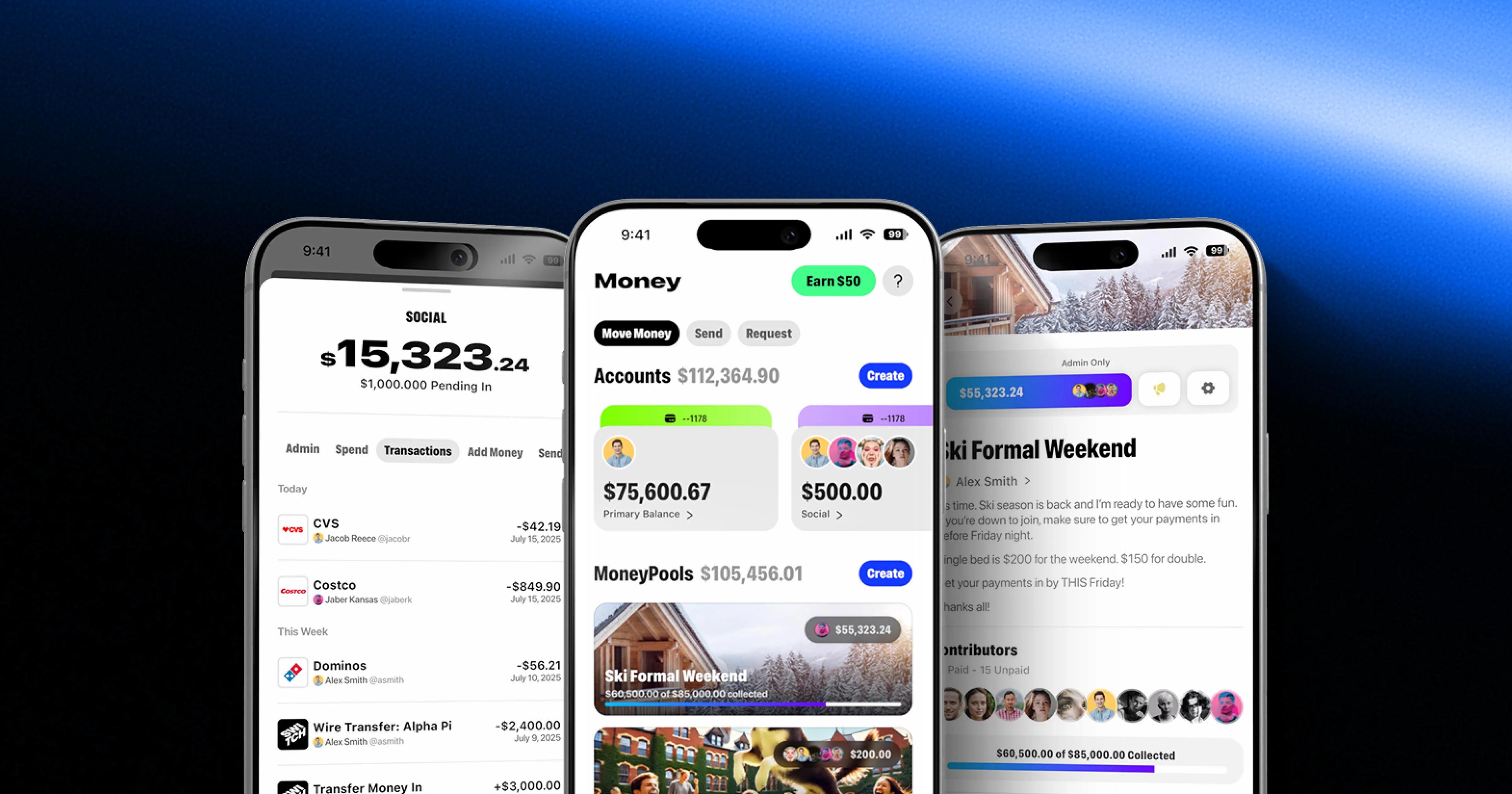
Switch: shared banking for clubs, teams and friends
4.7★App Store rating
Native and cross-platform iOS and Android apps, from fintech and streaming to connected hardware, designed, built and launched to the stores.
 What you get
Swift and Kotlin, or React Native for one codebase, chosen in discovery by what the app touches: Bluetooth, camera, background work or plain screens and forms.
Card issuing through a partner bank, in-app purchases and subscriptions through RevenueCat or Stripe, and Apple Pay and Google Pay, with the ledger on a backend you own.
Pairing, reconnection after dropouts and real-time control of wearables, sensors and IoT devices, within the limits the device firmware sets. We have also delivered AR features for a client under NDA.
Going live from a phone, recording and playback, with free previews and paywalls tied to subscriptions.
Local storage and a sync queue, so the app keeps working without signal and resolves conflicts when it reconnects.
Store listings, TestFlight and Play testing tracks, analytics, push notifications and A/B tests, set up before the first public release.
Flows and prototype in weeks.
Two-week sprints, live demos.
Device lab, beta, QA.
Store release and iteration.
From our appsEvery app has screens and sign-in. What sets the schedule and the price is the one part that touches money, hardware or video. Here is that part in three apps we shipped.
Group accounts with roles for treasurers and members, Visa debit cards issued in seconds through Thread Bank, and MoneyPools links that collect money on the web without an install. Live on iOS, Android and web.
Native iOS and Android apps pair with the emPower Suit over Bluetooth LE and change intensity per muscle group during a 25-minute session. All four training modes run inside session limits and intensity guardrails.
Programs go live from a phone, fans watch 10 minutes free before they subscribe, and half of each subscription is credited to the creator they picked. Creators are paid monthly, on the 1st, with no minimum balance.
Model the app store’s cut and the payout fees before you promise a revenue split. Creator revenue share and payouts
Switch is used by 1,000+ organizations, from university clubs to national chapters. OHM and DubCam both ship through the App Store and Google Play.
OHM shipped as native iOS and Android apps. For most products we start cross-platform and go native only where hardware or video demands it. Native vs cross-platform
Stack by categoryBuild or buyThe right choice depends on what the app has to touch, not on fashion.
| Your situation | Our recommendation |
|---|---|
| A content, booking or simple internal app | A no-code builder may be enough |
| Most consumer and B2B products | Cross-platform: React Native |
| Deep hardware access, heavy video or extreme performance | Native Swift and Kotlin |
| An existing app that crashes or ships slowly | Code audit first, then stabilize |
Our recommendation: cross-platform by default; native where the hardware or performance demands it.
Typical engagementFlows, a clickable prototype, the native vs cross-platform decision and a fixed build quote.
iOS and Android apps with backend, QA on real devices, and store release.
OS updates, new features, analytics and A/B tests on a monthly roadmap.
Built by one in-house team, from discovery to launch and support. AI makes us fast; a senior engineer decides what goes live. Meet the team
What moves the price: the number of platforms, payment or banking integrations, hardware pairing, offline sync and the admin tools behind the app. Compare engagement models
Selected workiOS · Android · Web iOS · Android
 iOS · Android · WebGuidesFAQ
Cross-platform for most products; native when you depend on deep hardware access or extreme performance. We help you choose in discovery, before the build is quoted.
Yes. We prepare the store listings and privacy details, check the build against Apple’s App Review Guidelines and Google Play policies, run TestFlight and Play testing tracks, and roll releases out in stages. Apps are published under your own developer accounts.
Yes. We start with an audit of the code, crash reports, dependencies and release process, then give you a fixed quote to stabilize it. New features come once crashes and the build pipeline are under control.
Most engagements start with a 2-week Discovery Sprint ($5,000 fixed fee, credited to your build), followed by a fixed-price build ($25k–$120k per project, 6–16 weeks) or a dedicated team (from $12k per month). The build price is fixed after discovery and billed in milestones tied to demoed features. Apple and Google developer accounts, backend hosting and payment or card-issuing provider fees are separate running costs we estimate in discovery.
Flows and a clickable prototype come out of the two-week Discovery Sprint. A first store release is a fixed-price build of 6–16 weeks; apps with banking, hardware or live video need the longer end of that range.
Yes. One senior team ships both, natively or from one cross-platform codebase. Switch, OHM Fitness and DubCam all launched on iOS and Android.
Yes. We integrate Bluetooth LE devices (the OHM app controls a 20-electrode EMS suit), card issuing and wallets (Switch issues Visa debit cards), subscriptions and your existing APIs.
You do. Code is in your repository from day one, the apps are published under your own Apple and Google developer accounts, and the IP is yours.
Every build includes 30 days of support for fixes and store updates. After that, a monthly retainer or dedicated team handles OS updates, new features, analytics and A/B tests.
A no-code or template builder is fine for a simple content, booking or internal app. Choose custom development when the app moves money, controls hardware, streams video or needs to scale, because those depend on native APIs and a backend you own.
 Cookies, briefly
We use essential cookies to run the site and, with your OK, analytics and visitor identification. Privacy policy