

 Web · Mobile
Fintech · MLM · Aggregator
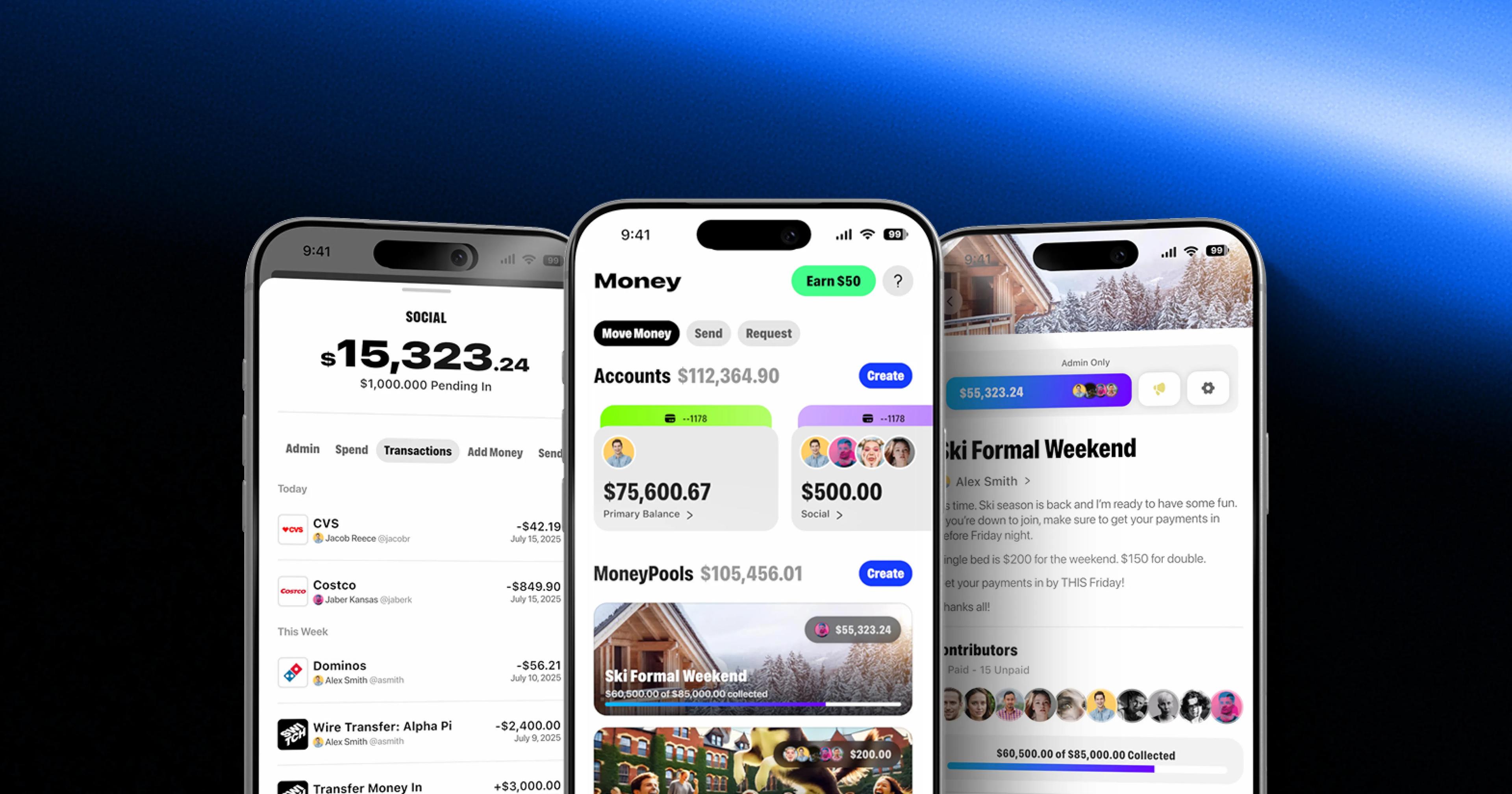
Freedom Pro: partner platform with stablecoin wallets and debit cards
USD + stablecoinwallets via Bridge
We audit and fix apps built with AI tools and vibe coding: access rules, payments, database and deploys, then launch them on accounts you own.
 What you get
Access rules checked on the server, row-level security that denies by default, input validation, rate limits on login and sessions you can revoke.
Payment and booking calls that survive a retry, webhooks processed once, and a ledger for balances, credits and commissions instead of an overwritten column.
Ownership recorded on every row, migrations as scripts in the repository, separate development and production databases, and a backup restored once to prove it works.
Service, AI and payment keys moved out of the browser and the app bundle, behind your server, and rotated if they ever shipped.
Tests on sign-up, login, payment and anything that deletes, a pipeline that builds and deploys outside the AI tool, and errors that reach a named person.
Native features where Apple’s guideline 4.2 expects more than a website, submission from your own developer account, and in-app purchase where store rules require it.
Test every checklist item.
Fix or rebuild, per layer.
Fixed scope, fixed price.
On accounts in your name.
Fix or rebuildThe audit makes one call per layer of the app, with the reason. This is the usual pattern; the audit of your app decides.
They are what your users already know. We keep them, remove duplicate libraries and parallel auth flows, and add tests on the paths that move money or data.
Rules move to the server and deny by default, every table with user data gets a policy per action, and keys leave the client and get rotated.
Every row has to record who owns it. Balances, credits and commissions move to a ledger of entries, so they reconcile with the payment provider.
The Freedom Pro team regularly brings us builds made with AI tools, websites among them, with broken payment structures and database problems. We fix them and take them to production.
Bring the repository or an export, a list of every account and key, and the problem that worries you most.
Our readiness checklist gives a test for every item, so you can check the app before you talk to anyone, us included. Vibe-coded app to production
Our rule: keep what your users already know, and rebuild only the layers whose foundations are wrong. Why AI pilots stall
Stack by categoryBuild or buyNot every AI-built app needs an agency. It depends on what the app holds and what it moves.
| Your situation | Our recommendation |
|---|---|
| A demo, a waitlist or an internal tool with no payments or sensitive data | Keep building with the AI tool, and turn on backups |
| One clear risk: an exposed key, a missing access policy, a deploy only the builder can run | One experienced freelance engineer |
| Money moves through the app, or it stores personal data | A senior team: audit, then a fixed-price fix list |
| An integration needs partner approval, or a native app has to pass review | A senior team, with the integration planned in discovery |
| Each change breaks another feature and nobody knows why | Audit first, then rebuild the failing layer |
Our recommendation: keep building until money or personal data is involved; from then on, a senior engineer should sign off on what goes live.
Typical engagementAn audit of every checklist item, a fix-or-rebuild call per layer, an inventory of accounts and keys, and a fixed quote for the fix list.
The fix list worked through in two-week sprints with demos: access rules, payments, database, tests, pipeline, monitoring and launch.
New features on the hardened codebase, with the tests and pipeline guarding every release.
Built by one in-house team, from discovery to launch and support. AI makes us fast; a senior engineer decides what goes live. Meet the team
What moves the price: how much of the data model has to change, whether money moves through the app, integrations that need partner approval, and whether a native app has to pass review. Compare engagement models
Selected workWeb · MobileGuidesFAQYes. We move the code the tool produced into a repository you own, audit it and fix it there. Screens and flows often carry over as they are; access rules, secrets and money tables are where most of the work goes.
Both, decided per layer. We fix in place when every row records who owns it and the app builds outside the AI tool. We rebuild a layer when ownership is missing from the schema, money is a balance that gets overwritten, or each change breaks another feature. The audit makes that call with the reason.
Security and auth, payments, database schema and migrations, data integrity, secrets, tests, CI/CD, monitoring and, for mobile apps, App Store review. Each finding says what is wrong, how we tested it and whether it blocks launch.
Most engagements start with a 2-week Discovery Sprint ($5,000 fixed fee, credited to your build), followed by a fixed-price build ($25k–$120k per project, 6–16 weeks) or a dedicated team (from $12k per month). The build price is fixed after discovery and billed in milestones tied to demoed features. For a prototype, the Discovery Sprint is the audit: you leave with a ranked fix list, a fix-or-rebuild call per layer and a fixed quote for the work.
The audit and the fixed quote take 2 weeks, inside the Discovery Sprint. The fixes are a fixed-price build of 6–16 weeks; a short fix list sits at the low end, and a rebuilt data model or a new native app at the high end.
You do. The repository, cloud, database, domain, Apple and Google developer accounts, payment provider and API keys move into your company’s name, and the IP is yours. Nothing stays held by us or by the builder platform.
Yes, every day. AI makes us fast; a senior engineer decides what goes live. That engineer reads the access rules, runs the backup restore and signs off on the payment flow before launch.
Not always. Apple’s guideline 4.2.6 rejects apps from app generation services unless the content owner submits them, and guideline 4.2 asks for more than a repackaged website. We submit from your own developer account and add the native features review looks for.
Every build includes 30 days of support. After that, your team can keep building, with its AI tools if it likes, on a codebase that now has tests and a pipeline, or keep us on a monthly retainer or a Dedicated Team.
When the app is a demo, a waitlist or an internal tool with a handful of users, no payments and no sensitive data. Keep building with the AI tool, turn on backups and work through our free readiness checklist. Bring in a team once money moves or personal data arrives.
 Cookies, briefly
We use essential cookies to run the site and, with your OK, analytics and visitor identification. Privacy policy