
IoT & BLE App Development
Device firmware integrations, telemetry pipelines, dashboards and companion apps for connected hardware.
 What slows you down
From sensor to insight.
For IoT teams.
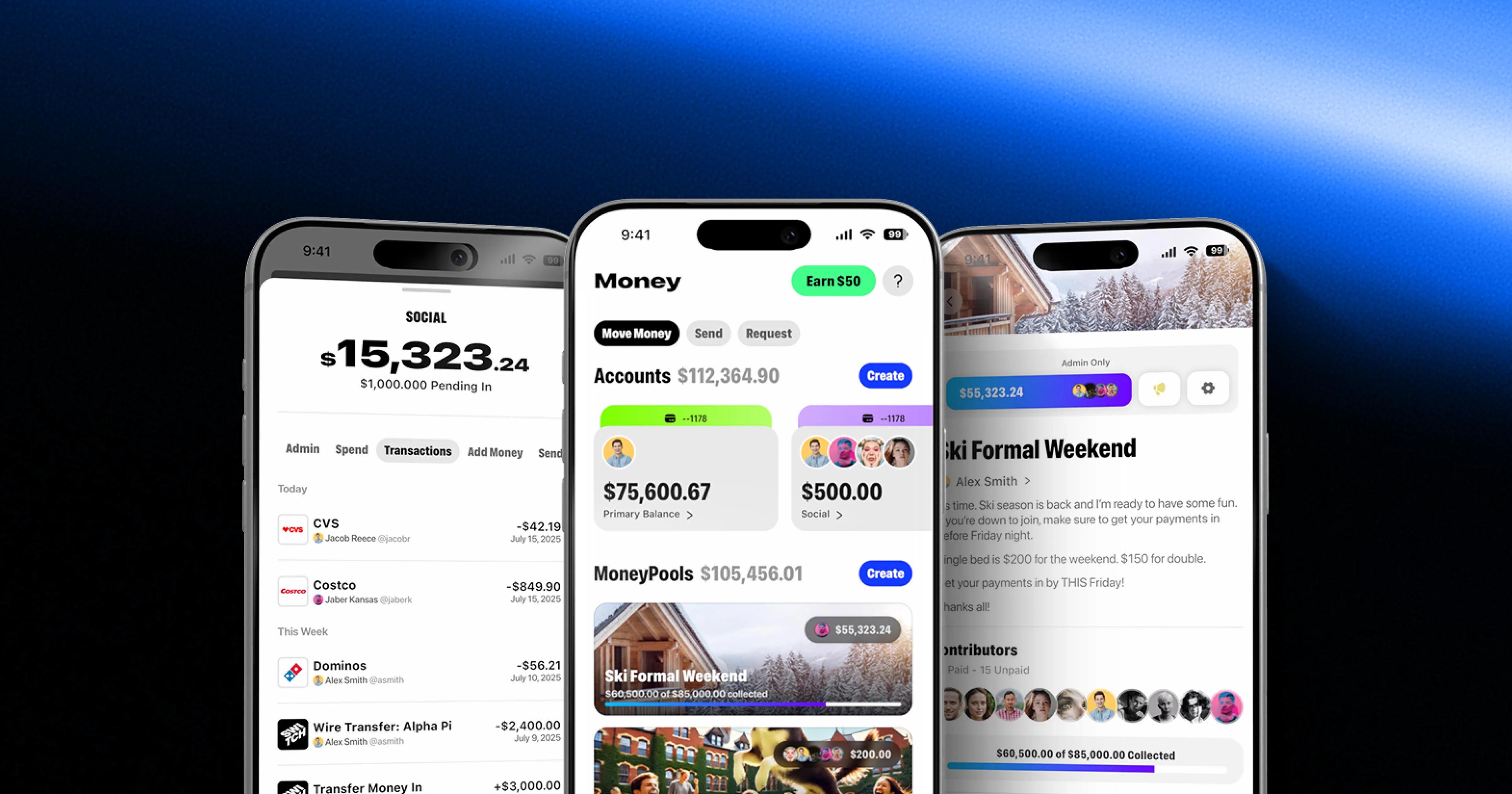
We build the software around connected hardware: companion apps that pair over Bluetooth Low Energy, the cloud that ingests device data and the dashboards that make it useful. OHM Fitness is the shipped proof: its app controls a 20-electrode EMS suit in real time.
Device-to-cloud telemetry pipelines (MQTT)
Device-to-cloud ingestion over MQTT or HTTPS, with buffering, schema versioning and storage sized for your fleet’s message rate.
Real-time monitoring dashboards and alerts
Fleet views of device health, firmware versions and alerts, with drill-down into a single device’s history.
BLE companion apps for iOS and Android
Native iOS and Android apps that pair, reconnect and stream reliably, and handle Bluetooth permissions on both platforms.
Industrial device integration over RS-485 and Modbus
Wired industrial devices over RS-485 with Modbus: reading logs and status, sending commands, and firmware changes in C or Rust when the device needs them.
AI anomaly detection and predictive maintenance
Models that flag unusual readings and predict maintenance from telemetry, tuned on your data before they page anyone.
In detailBLE on Android and iOS: what breaks after launch
After launch, the BLE problems we plan for are permissions and reconnects, not the protocol. On Android 12 and later, scanning and connecting need the runtime permissions BLUETOOTH_SCAN and BLUETOOTH_CONNECT, which the user must approve. Declaring that the app never derives location from scans removes the location prompt, but Android then filters some BLE beacons out of the results.
On Android 11 and lower, a BLE scan needs fine location permission instead, because scan results can reveal where the user is. Android’s Companion Device Manager, available since Android 8.0, can pair a device without any location permission. One app can ship two or three permission flows, and each is tested on the phone models your users own. Whether to write that layer native or cross-platform is the next decision.
Selling connected devices in the UK and EU
Since April 29, 2024, the UK’s PSTI regime has required connectable consumer products to ship with unique or user-set passwords, a published way to report security issues and a published minimum period of security updates. The EU Cyber Resilience Act entered into force on December 10, 2024 and covers hardware and software products with digital elements. Its reporting obligations have applied since September 11, 2026, and its main obligations apply from December 11, 2027.
These obligations sit with the manufacturer, and your counsel decides which products are in scope. What we build for them: per-device credentials with no shared default, an over-the-air update path with rollback, a vulnerability-reporting route and an update-support statement the app can display.
OHM at Home: an app that drives hardware safely
The OHM at Home app sets stimulation zone by zone across 20 electrodes in the emPower Suit and PowerPants over Bluetooth LE, while a guided 25-minute session runs in one of four modes: Strength, Fat Burn, Cardio or Recovery. Because the app is in charge of a device worn on the body, it enforces session limits and intensity guardrails during every workout.
The OHM at Home case study covers the product, and our write-up of lessons from a 20-electrode EMS suit covers the engineering. The same app is our shipped work in fitness and wellness software.
Selected workLive in IoT.
 iOS · Android
OHM Fitness: an app that controls a 20-electrode EMS suit
Compliance & riskSecurity and safety at the edge.
Connected devices put software in charge of physical things. These are the baselines we design to.
Device security baseline
NIST’s core baseline covers device identity, configuration, data protection and secure updates. We map your device and app against it in discovery.
Source: NIST IR 8259A: IoT device cybersecurity baselineSafe control
When an app drives hardware it must enforce limits. In the OHM app, session limits and intensity guardrails are built into every workout.
Credentials and updates
Encrypted transport, per-device credentials and over-the-air update paths that can be rolled back.
Typical timeline & budgetPublished prices. Fixed after discovery.
IoT projects follow the same model as every Apptycoons engagement: a 2-week Discovery Sprint, then a 6–16 week fixed-price build, billed in milestones. Version one is the companion app and cloud ingestion for a single device model, tested on real hardware; fleet dashboards and anomaly models follow.
Scope, architecture and a fixed quote for the build. The fee is credited to your build.
Your first release, delivered in demoed milestones, with 30 days of support after launch.
A dedicated squad for ongoing roadmap work once the first release is live.
What moves the price for IoT projects
- Hardware maturityStable firmware and a documented BLE protocol shorten the project; changing firmware lengthens it.
- Device countA few hundred devices and a fleet of thousands need different ingestion and storage.
- TestingReal devices across phone models and OS versions take time to test.
When you don’t need a custom build
If your device maker’s SDK comes with a usable white-label app, or the device only needs a one-time setup, a configurable app or a web dashboard may be enough. Build custom when the app controls the device in real time or is the main way customers use the product.
FAQCommon questions.
Do you work on firmware?
We build on the device’s existing firmware, and we can write or modify firmware in C or Rust when a project needs it. For wired industrial devices we connect over RS-485 with Modbus to read logs and status and send commands.
Which IoT clouds do you use?
AWS IoT Core, Azure IoT Hub, Google Cloud Pub/Sub and self-hosted MQTT brokers such as Mosquitto or EMQX.
Native or cross-platform for a BLE companion app?
Native gives the most predictable Bluetooth behavior, background handling and permission control, which is why the OHM app is native iOS and Android. Cross-platform can work for simpler devices if the BLE layer stays native underneath.
What did you build for OHM Fitness?
The OHM at Home app pairs with the emPower Suit over Bluetooth LE, adjusts intensity across 20 electrodes in real time and runs guided 25-minute sessions in four modes. It is live on the App Store and Google Play.
How much does IoT software development cost?
Builds are quoted at a fixed price within our $25k–$120k range after a $5,000 Discovery Sprint. For IoT projects, firmware maturity, device count and real-device testing decide where yours lands.
Does a BLE app need location permission on Android?
Not on Android 12 and later, if the app declares that it never derives location from Bluetooth scans. It requests BLUETOOTH_SCAN and BLUETOOTH_CONNECT instead, and Android filters some beacons out of the results. On Android 11 and lower, BLE scanning needs fine location permission.
Does the EU Cyber Resilience Act apply to our companion app?
It can. The CRA applies to products with digital elements, hardware or software, which can include the app that ships with a device. Its reporting obligations have applied since September 11, 2026 and its main obligations apply from December 11, 2027. Your counsel confirms scope; we build the update and disclosure controls.
How do you test BLE across phones?
On real hardware: the phone models and OS versions your users own, paired with each firmware version you ship. We test pairing, reconnects after the app has been in the background, and what the device does when the connection drops mid-command.
