

Exigo alternatives: when custom MLM software wins
Exigo is a mature enterprise MLM platform. Here is how to tell when a platform fits, when a custom build wins, and what each path involves.
Listen to the summary ·
Read the transcript
Exigo bought DirectScale in 2022, and directscale.com now redirects to exigo.com, so a shortlist with both names on it is a shortlist of one vendor. Apptycoons builds custom MLM software, so we have a stake in this question.
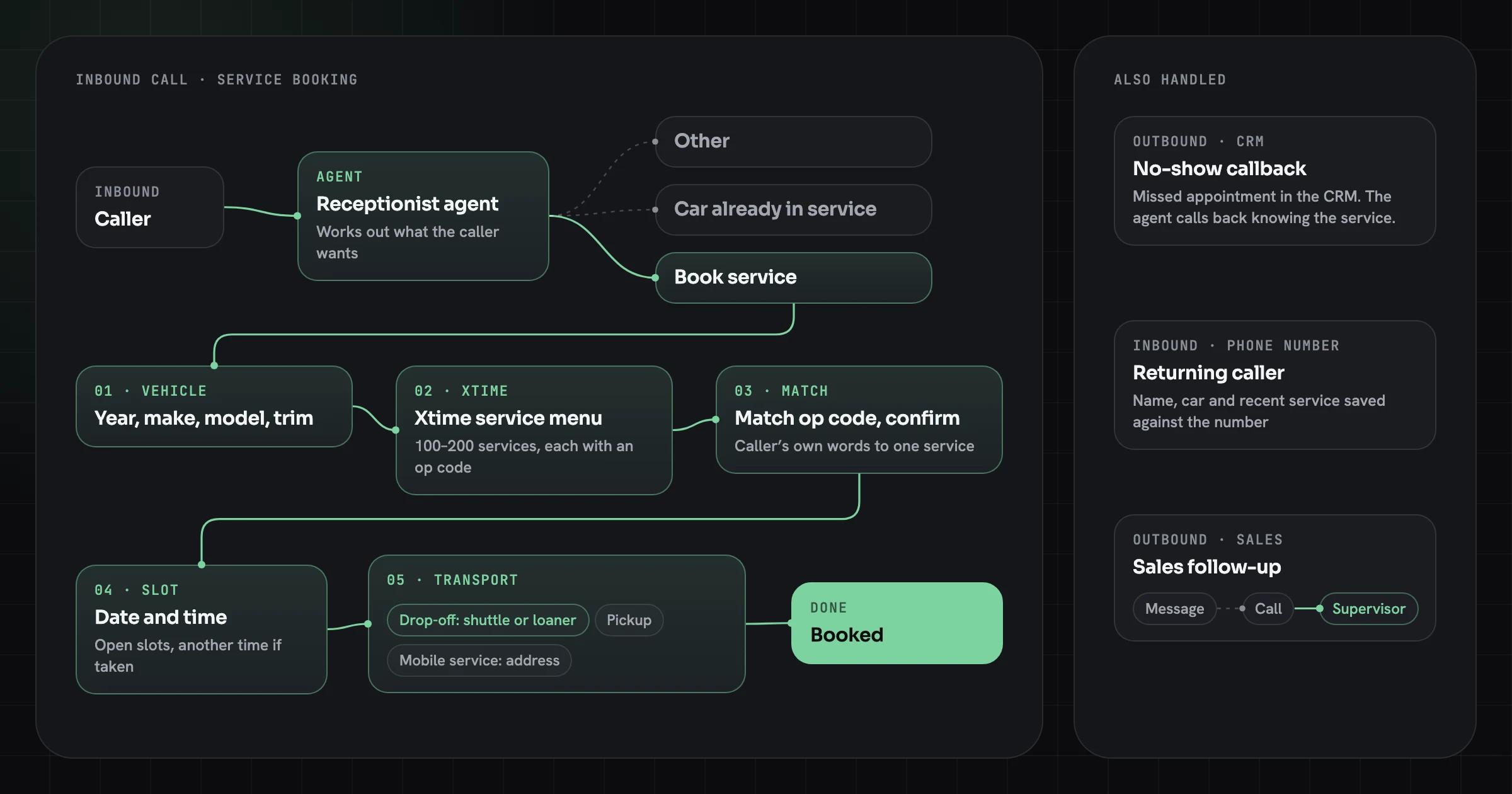
The alternatives come in three kinds: another enterprise platform such as ByDesign, a packaged MLM script, or custom software built around your compensation plan. Many companies end up with a hybrid: a platform commission engine, with a custom distributor app and payouts built on its APIs.
Stay on a platform if your plan fits its standard binary, unilevel, matrix or hybrid rules and your edge is product and field leadership. A complicated plan alone is not a reason to leave.
Price a custom or hybrid build when two or more signs apply: your roadmap keeps waiting on the vendor’s, earnings have to stay inside your product, members buy services rather than shipped products, or recruits judge you by the app.
Exigo does not publish its pricing. Capterra lists a starting price of $5,000 a month, which is a directory listing, not a quote.
Leaving safely takes a parallel run. Export everything early, run both systems for at least one full commission cycle, and switch payouts only once they agree. The guide below has a five-question checklist.
AI-generated voice summary of this guide.

Exigo bought DirectScale in 2022, and directscale.com now redirects to exigo.com, yet many “Exigo alternatives” lists still put both names on the shortlist. Start with a cleaner question: are you choosing your first enterprise MLM platform, or are you on one and something has started to hurt? What follows works for both, and ends with a plain test for when a platform is the better answer and when custom MLM software wins.
Disclosure: Apptycoons builds custom MLM and direct-selling software, so we have a stake in this question. We have no partnership with any vendor named here, and this post does not rank anyone. Vendor facts come from each vendor’s own website as of October 2026; the one third-party figure (Exigo pricing) is labeled as such. Where a platform is the better choice, we say so.
What Exigo is, in its own words
Exigo is an enterprise software platform for direct-selling and MLM companies. Its website describes a commissions and order-management core, a mobile-first distributor back office, analytics, an e-commerce and website builder, and AI features. Exigo says it has served the industry for over 25 years and powers more than 100 direct-selling brands.
The commission engine, Exigo Core, is the part most companies buy it for. Exigo says it supports binary, unilevel, matrix and hybrid plans, lets you model a plan in a sandbox before going live, and connects to other systems through APIs. It also says it has completed over 400 migrations from legacy platforms.
Two facts matter when you compare options:
- Exigo and DirectScale are one company now. Exigo acquired DirectScale in October 2022, and directscale.com redirects to exigo.com. A shortlist with both names on it is a shortlist of one vendor.
- Exigo does not publish its pricing. Its site asks you to request a demo. The software directory Capterra lists a starting price of $5,000 per month, flat rate. Treat that as a directory listing, not a quote.
None of this is a weakness. A mature platform with a large customer base, a tested commission engine and a long migration record is exactly what many direct-selling companies need.
The kinds of Exigo alternative: platform, script, custom or hybrid
Exigo alternatives fall into three groups, plus a hybrid of them, and they solve different problems. Comparing a platform with a custom build feature by feature misses the point, because the trade-off is about who controls the roadmap, not about checklists.
- Another enterprise direct-selling platform. For example ByDesign, which describes itself as software for direct selling, MLM, party plan, affiliate and influencer marketing, with a commissions engine, back office, party module and shopping cart. You trade one vendor roadmap for another.
- A packaged or licensed MLM script. Lower entry cost and faster setup, usually aimed at smaller companies. Fit depends heavily on how close your plan is to the templates it ships with.
- Custom MLM software. A compensation engine, back office, distributor app and payouts built around your plan and owned by you. Highest control, and you carry the responsibility for it.
The hybrid is the option most comparison pages ignore: keep a platform for the commission engine and order core, and build the parts members touch, such as the distributor app, the wallet and the onboarding funnel, as custom software on top of its APIs.


Why some lists of Exigo alternatives mix different products
Not everything sold as commission software can replace Exigo, because an MLM platform runs a distributor network and a sales-commission tool pays a sales team. If a shortlist mixes the two, sort it by what each product runs before you book demos.
| Category | Example | Distributor genealogy and ranks | Enrollment, orders and shop | Commission calculation | Payouts |
|---|---|---|---|---|---|
| Enterprise MLM platform | Exigo, ByDesign | Yes | Yes: back office, e-commerce, shopping cart | Yes, for network plans | Payout management (provider varies) |
| Packaged MLM script | Many smaller vendors | Yes, from templates | Usually basic | Template plans | Varies |
| Sales-commission software | Everstage, Salesforce Spiff | No | No | Yes, for sales reps and channel partners | Payout figures for finance and payroll |
| Custom or hybrid | Built around your plan | What you build | What you build, or the platform’s | Your rules, versioned | Any rail you integrate, including wallets and cards |
Sales-commission tools are good at what they do: Everstage describes itself as sales compensation and commission tracking software, and spiff.com now redirects to Salesforce’s incentive compensation management product. Neither describes a genealogy, distributor enrollment or replicated sites, which is most of what an MLM company buys Exigo for. Take them off an MLM shortlist, and keep them in mind only if you also pay an internal sales team.
| Path | Best when | You trade away | Our recommendation |
|---|---|---|---|
| Enterprise platform | Conventional plan, many countries, no internal product owner | Roadmap control; pricing set by the vendor | The default for most established companies |
| Packaged MLM script | Small company, simple plan, tight budget | Scale, support depth and fit for unusual plans | Fine to start; plan the exit early |
| Custom build | The plan, payouts or member app is the product | Upfront cost; you own maintenance | When two or more of the signs below apply |
| Hybrid | Platform engine works, member experience doesn’t | Two systems to integrate and keep in sync | Often the best first step away from a pure platform |
When a platform like Exigo is the better choice
A platform is the better choice when your compensation plan is conventional and your competitive edge is product, brand and field leadership rather than software. In that case, a proven engine and an existing back office get you to market faster and with less risk than any build.
Choose a platform when most of these are true:
- Your plan is a recognizable binary, unilevel or matrix structure, or a common hybrid the vendor already supports.
- You do not have, and do not want, an internal product owner for the software.
- You need multi-country tax, currency and shipping support from day one.
- Your distributor experience can live inside the vendor’s back office and app.
- Your payouts go to bank accounts or a payout provider the vendor already integrates.
If that describes you, a platform is the sensible default. Spend your energy on product, training and compliance, and push the vendor for the features you need.
When custom MLM software wins
Custom MLM software wins when the thing holding you back is something Exigo’s own feature list does not cover. Be careful here: a complicated plan alone is not a reason to leave, because Exigo says its engine already handles hybrid plans and lets you test plan changes in a sandbox. Look instead for these signs, and price a custom or hybrid build if two or more apply:
- Your roadmap keeps waiting on the vendor’s. Promotions, bonuses or plan rules you need this quarter are queued as paid customizations or feature requests.
- Earnings have to stay inside your product. Partners hold their balance, spend it by card or receive it in stablecoins, rather than receiving a periodic bank transfer.
- Members buy services, not just shipped products. Wireless, streaming or financial subscriptions need provisioning and one login across providers, which is product software, not a back office.
- Recruits judge you by the app. If the distributor app is your main sales tool, you need to control its design and release schedule.
If none of these applies, the platform is doing its job. If they do, our guide to custom MLM software covers how to design the commission engine itself.
Example: Freedom Pro, where three of the four signs applied
Freedom Pro is a direct-selling company whose signs pointed to custom: three of the four above applied. It bundles everyday services, including wireless, streaming, wellness and finance, and pays a partner network on its team’s activity.
Mapped against the signs:
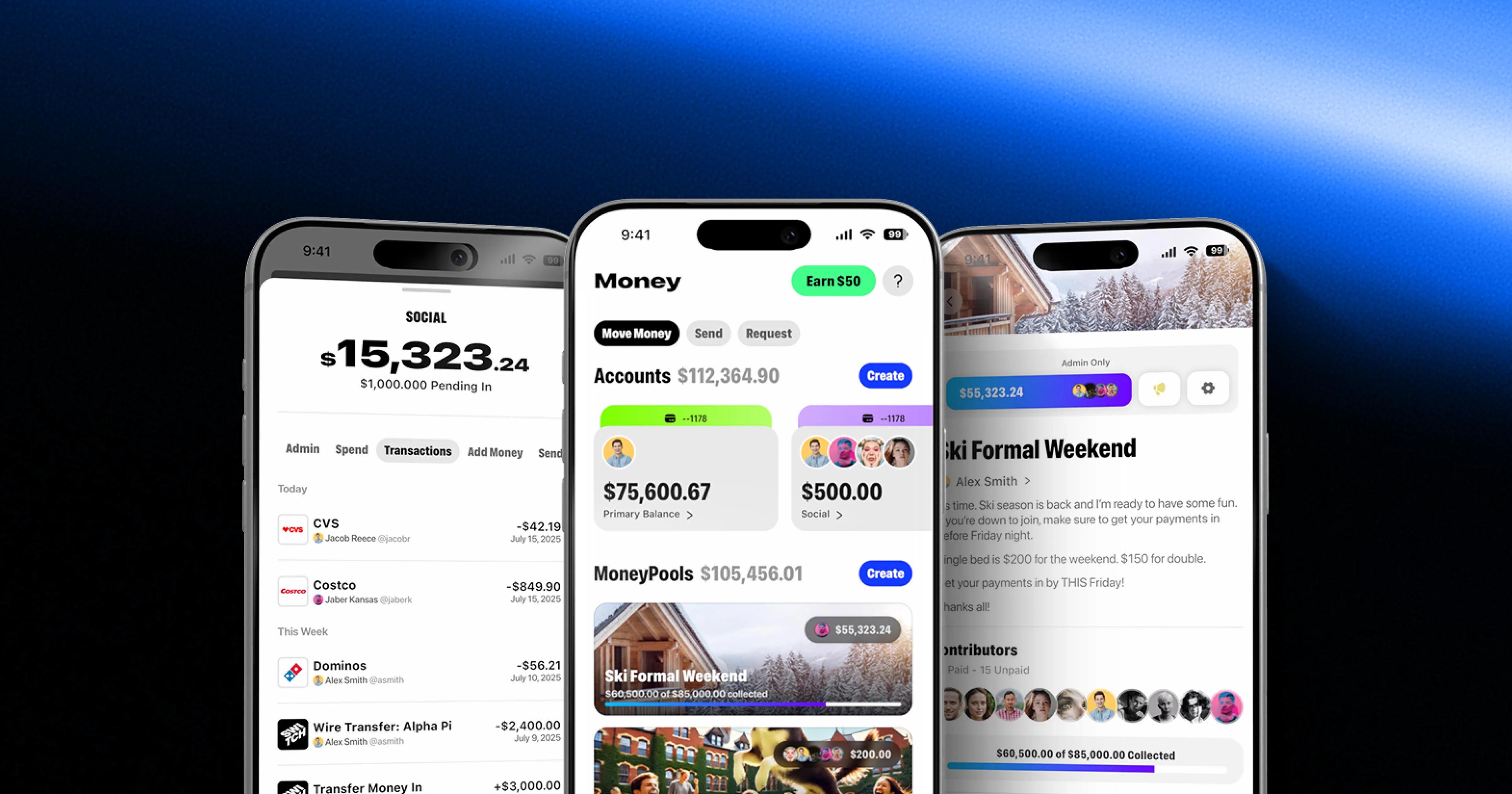
- Earnings stay inside the product. We integrated Bridge so members hold dollars and stablecoins side by side and spend the balance by debit card. How those stablecoin payouts for partners work, from provider choice to ledger, has its own guide.
- Members buy services. Wireless, MyPro TV streaming, wellness, a trade club and other programs sit behind one member portal login.
- The app sells the opportunity. A guided sign-up funnel turns visitors into partners, and the partner back office covers registration, team genealogy, ranks and commission tracking.
The full write-up is in the Freedom Pro case study. The point is not that every MLM company needs stablecoins; it is that once money and services live inside your product, choosing between Exigo and a custom build becomes a product decision, not an IT purchase.
Exigo pricing compared with the cost of custom MLM software
Platform pricing is a recurring fee; custom software is mostly an upfront build plus running costs. Because Exigo does not publish its fees, the comparison only works once you have a written platform quote that answers these questions:
- What is the monthly fee, and does it grow with distributors, orders or transaction volume?
- What do implementation, plan configuration and data migration cost, and are they one-off?
- How are customizations and new plan rules priced after launch?
- What does a full data export cost when you leave, and in what format?
- Which payment, tax and shipping integrations are included, and which are extra?
On the custom side, our published model is a $5,000 two-week discovery that maps your plan, payouts and data, then one fixed price for the build in our $25k–$120k range. The pricing page has the details. Where an MLM build lands in that range depends mostly on how many payout and wallet integrations it needs, how many countries it serves and how much commission history it has to reproduce.
Compare on a three-year view. A platform fee is predictable but never ends and never becomes an asset. A custom build costs more in year one and gives you code you own, which you then have to maintain.
- Predictable every month
- Never ends
- Never becomes an asset
- Costs more in year one
- Code you own
- Maintenance is yours
Compliance: switching software does not change the rules
Switching software does not change your compliance position, because regulators look at the compensation plan and how it works in practice.
What software does decide is how easily you can produce evidence. When you compare Exigo with any alternative, ask each to show you, from real data, retail sales to non-participants separated from distributor purchases, a reproducible commission statement for any past period, and the payout figures behind your income disclosure. The MLM software guide linked above lists the features behind each. Have counsel review the plan before anyone encodes it.
How to move off Exigo without breaking commissions
Leaving Exigo safely takes a parallel run: copy the data out, re-run past periods in the new system, and switch payouts only once both systems agree. Exigo says it has completed over 400 migrations onto its platform; moving off it is the direction to plan most carefully, so start with the contract.
A migration plan that works, whether the destination is custom software or another platform:
- Step 1Read the exit terms firstConfirm your contract gives you a full export, its format, any fee, and how long you keep access after notice.
- Step 2Export everything earlyDistributors, genealogy, ranks, orders, commission history and wallet or credit balances.
- Step 3Turn past periods into testsPick several real periods, including one with returns and one with a rank promotion, and record the expected payouts before the new engine exists.
- Step 4Run in parallelFor at least one full commission cycle, and explain every difference before you trust the new numbers.
- Step 5Cut over at a period boundaryWith balances frozen, a rollback plan and the distributor app moved last.
Our MLM software development page describes how we run that parallel period.
A quick decision checklist
Answer these five questions before you book any demo, including ours:
- Could you describe your compensation plan using only the vendor’s standard plan types?
- Do partners need to hold, spend or receive money inside your product?
- Do you sell services that need provisioning, not just products that ship?
- Will you change the plan more than once a year?
- Do you have, or will you hire, someone to own the software roadmap?
Mostly no: start with a platform. Mostly yes: price a custom or hybrid build. Mixed: the hybrid route, a platform engine plus custom member experience, is usually the right first step.
When not to hire us
Do not hire a custom developer, including us, if your plan is standard, you are pre-launch with no distributors yet, or nobody in the company can own the product after launch. A platform will serve you better. If you are past that point and want a second opinion on your own plan, book a 30-minute call and bring your current Exigo contract and plan document.
Sources
- Exigo: direct selling software platform, Exigo
- Exigo Core: commissions and order management, Exigo
- Exigo Acquires DirectScale, Inc., Direct Selling News
- ByDesign Technologies: direct selling software, ByDesign
- Exigo pricing and reviews, Capterra
- Sales Compensation & Commission Tracking Software, Everstage
- Business Guidance Concerning Multi-Level Marketing, Federal Trade Commission
Web App Development
High-performance SaaS products, portals, dashboards and marketplaces, with clean architecture, fast UX and the integrations your business runs on.
